

Let’s be honest—getting a car these days feels like navigating a maze. You’ve got the old-school buy vs. lease debate, and now there’s this new kid on the block: car subscription services. It’s like Netflix for cars, right? Well, sort of. But when you pit car subscription services vs long-term leasing, the lines get blurry. Which one’s better for your wallet? Your lifestyle? Your sanity?
I’ve dug into the nitty-gritty for you. No fluff. Just the real deal—with a few quirks along the way.
What Exactly Is a Car Subscription Service?
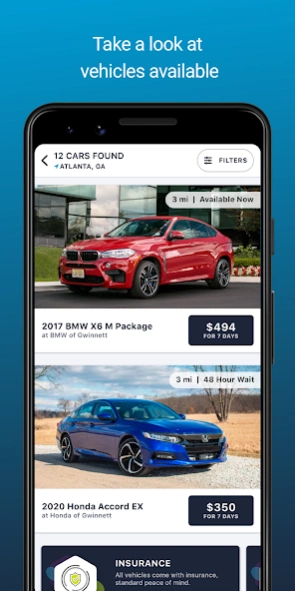
Imagine paying one monthly fee—and that covers everything. Insurance, maintenance, roadside assistance, even registration. You pick a car (or a fleet of cars, depending on the service), and you swap it out whenever you want. Feeling sporty? Grab a convertible. Need to haul furniture? Switch to an SUV. It’s flexibility on steroids.
Companies like Care by Volvo, Porsche Drive, and Flexdrive pioneered this. But now, even startups like FINN and Autonomy are jumping in. The catch? It’s pricier than leasing—at least on the surface.
And Long-Term Leasing? The Old Reliable
Leasing is like renting an apartment for 24 to 48 months. You pay a lower monthly fee than buying, but you’re locked in. No swapping. No early exits without a penalty. You’re responsible for maintenance (sometimes), and you gotta bring the car back in good shape—no curb rash, no weird smells.
Leasing works best if you know your life won’t change much in the next few years. You’re stable. Predictable. Maybe a little boring—but in a good way.
The Big Showdown: Subscription vs. Leasing—Head to Head
Alright, let’s break it down. I’ll throw in some numbers, but I’ll keep it human. Here’s a quick table to visualize the differences:
| Feature | Car Subscription | Long-Term Leasing |
|---|---|---|
| Monthly cost | Higher ($600–$1,500+) | Lower ($300–$700) |
| Contract length | Month-to-month or 3–12 months | 24–48 months |
| Insurance included? | Usually yes | No (you pay separately) |
| Maintenance included? | Yes | Sometimes (warranty covers basics) |
| Vehicle swapping | Yes, often unlimited | No—stuck with one car |
| Early exit penalty | Minimal or none | Hefty (thousands of dollars) |
| Mileage limit | Often high or unlimited | 10k–15k miles/year |
| Credit score impact | Soft check often | Hard inquiry, lease contract |
See the pattern? Subscriptions are flexible but expensive. Leasing is cheaper but rigid. It’s like comparing a buffet to a fixed-menu dinner.
Wait—But What About Hidden Costs?
Here’s the thing: with leasing, you’ve got hidden fees that sneak up. Acquisition fees, disposition fees, mileage overage charges (like $0.25 per mile—ouch). And don’t forget insurance—that’s an extra $100–$200 a month depending on your record.
With a subscription, the monthly price is all-in. No surprises. But that all-in price is often double a lease payment. So it’s a trade-off: predictability vs. sticker shock.
Who Should Choose a Car Subscription?
Honestly, subscriptions are for people whose lives are… messy. In a good way. Think:
- Digital nomads who move cities every few months.
- Recent grads with uncertain job prospects.
- Car enthusiasts who get bored driving the same thing for 3 years.
- People testing the waters before committing to an EV.
I once met a guy who subscribed to a Tesla for a month just to see if he could handle the charging anxiety. He couldn’t. But he only lost a month’s fee—not a 3-year lease nightmare.
Who Should Stick with Leasing?
Leasing is for the planners. The spreadsheet lovers. The people who know they’ll drive the same commute for 3 years and won’t suddenly decide to become a van-life influencer.
- Families with predictable school runs.
- Corporate employees with stable income.
- Budget-conscious drivers who want the lowest monthly payment.
But here’s a warning: if you’re a chronic over-miler—like, you drive 20,000 miles a year—leasing will punish you. Subscriptions often have unlimited mileage or generous caps.
The Emotional Side of the Decision
You know, this isn’t just about money. It’s about peace of mind. I’ve seen friends stress over lease-end inspections—like they’re getting audited by the IRS. “Is that scratch too deep? Will they charge me for the faded paint?”
With a subscription, you just… hand the keys back. No drama. No “wear and tear” anxiety. It’s like returning a library book—except the book is a BMW.
But on the flip side, subscriptions can feel wasteful. You’re paying a premium for a service you might not fully use. It’s like having a gym membership you never visit—except the gym is a car you’re paying for even when it sits in your driveway.
Current Trends That Might Tip the Scale
The car market is weird right now. Interest rates are high. New car prices are insane. And EV adoption is… complicated. Some people are hesitant to lease an EV because of depreciation fears. Subscriptions let you test-drive an EV for a few months without the long-term commitment.
Also, remote work is sticking around. If you’re not driving daily, why lock into a 3-year lease? A subscription lets you pause or cancel when you’re working from home for a month.
Let’s Talk Numbers—A Real-World Example
Say you want a 2024 Volvo XC40. Leasing it might cost $450/month for 36 months, plus $150/month for insurance and $50/month for maintenance (tires, oil changes). Total: $650/month. But you’re locked in for 3 years.
Now, a subscription for the same car via Care by Volvo? About $800/month all-in. You can cancel after 5 months. You can swap to a sedan if you want. You don’t worry about anything.
Over 3 years, leasing saves you roughly $5,400. But if your life changes—new job, new city, new baby—the subscription’s flexibility could save you thousands in penalties.
The Verdict (If There Is One)
So, car subscription services vs long-term leasing—it’s not a winner-takes-all fight. It’s about matching the tool to your life’s current shape.
If you value freedom over frugality, go subscription. If you want stability over spontaneity, lease. And hey—if you’re still unsure, try a subscription for a month. Worst case, you lose a few hundred bucks. Best case, you dodge a 3-year mistake.
In the end, the best car decision is the one that lets you sleep at night—without wondering if you’re being nickel-and-dimed.