

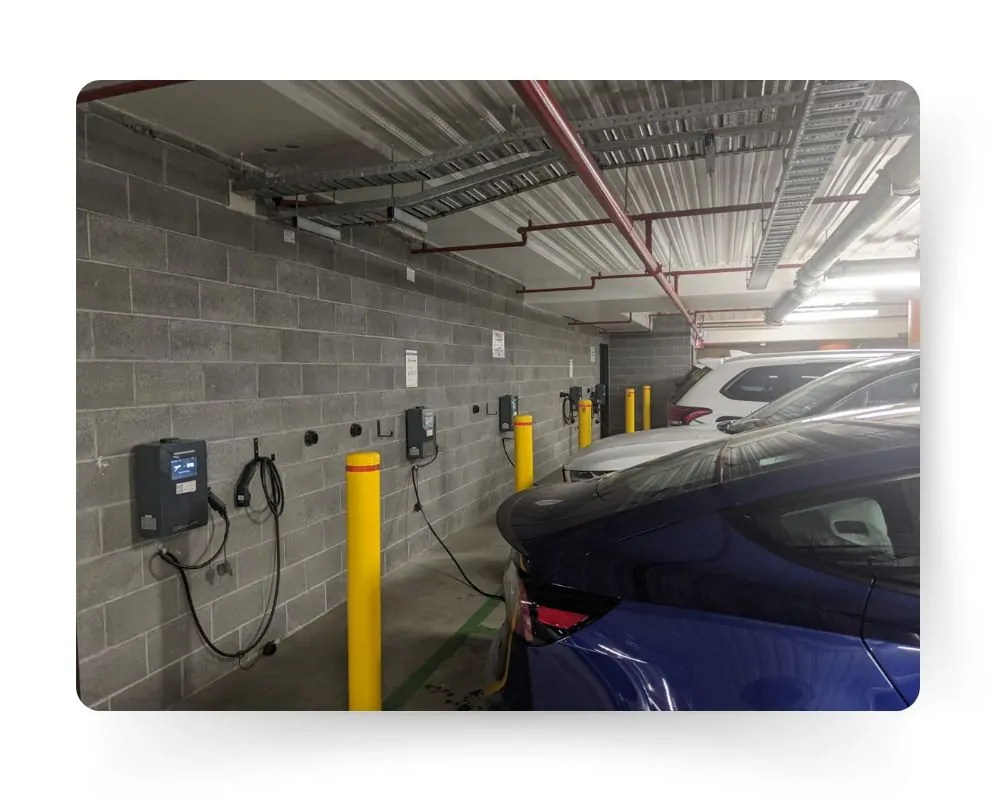
So, you’re thinking about joining the electric vehicle revolution. The quiet ride, the instant torque, the zero tailpipe emissions—it’s all incredibly appealing. But then you look at your apartment building’s parking situation. A concrete slab, maybe a cramped garage, and absolutely zero charging stations in sight. The dream suddenly feels… unplugged.
You’re not alone. For urban renters, the question of EV charging infrastructure is the single biggest roadblock. But here’s the deal: it’s a hurdle, not a dead end. The landscape is changing, fast. Let’s dive into the real-world solutions and strategies that can make EV ownership not just possible, but practical, even when you don’t have a private garage.
The Core Challenge: Why Your Landlord Might Be Hesitant
First, let’s understand the problem from the other side. Property managers and landlords often see a laundry list of concerns. Upfront costs for installation, ongoing maintenance, electricity billing complexities, and liability issues. It can feel like a massive headache for them, with little immediate return.
But the tide is turning. With EV adoption skyrocketing, properties that offer EV charging for apartment dwellers are becoming highly desirable. It’s a premium amenity, like a gym or a pool, that can attract and retain tenants. Framing it this way is your first step.
Making the Case: How to Approach Your Property Manager
This isn’t about making demands. It’s about building a compelling business case. Think of yourself as a consultant proposing a valuable upgrade.
Do Your Homework
Come prepared. Arm yourself with information about EV charging solutions for multi-family properties. Key points to research and present:
- Cost-Splitting Models: Mention programs like utility rebates or state grants that can offset installation costs significantly.
- Billing Solutions: Explain how modern EV charging stations for condos and apartments have built-in software. They can bill users directly for the electricity they consume, so the property owner isn’t stuck with the bill.
- Future-Proofing: Emphasize that installing the conduit (the piping for electrical wires) during construction or renovation is far cheaper than retrofitting later. It’s an investment in the property’s long-term value.
Start a Petition
You’re likely not the only one interested. Gauge interest from your neighbors. A petition with multiple signatures demonstrates a real demand and makes a much stronger case than a single request.
Practical Solutions While You Wait
Okay, so maybe your landlord needs some convincing. Or maybe the wheels of property management turn painfully slow. What do you do in the meantime? Honestly, you have more options than you might think.
The Public Charging Network
This is the most common starting point. Apps like PlugShare are your best friend. They map out every public charger—from the blisteringly fast DC fast chargers to the slower, often free, Level 2 chargers at your local grocery store or library.
Think of it like this: charging an EV doesn’t always have to be like filling a gas tank. It can be about top-up charging. Plug in while you’re at the gym, watching a movie, or doing your weekly shop. It requires a slight shift in habit, but it’s entirely workable for many people.
Workplace Charging
Don’t overlook your office. An increasing number of employers are installing chargers as an employee benefit. Eight hours at work is more than enough to fully replenish most daily commutes on a Level 2 charger. It’s arguably one of the most convenient EV charging options for city living if it’s available to you.
The “Granny Cable” (And Its Caveats)
Every EV comes with a cord that plugs into a standard 120-volt household outlet. It’s slow—painfully slow, adding only about 3-5 miles of range per hour. But if you have a dedicated outdoor outlet and a short commute, it might just be enough to get by.
Warning: Always, always get explicit permission from your landlord before using any exterior outlet. And never, ever run a cable across a public sidewalk—it’s a major trip hazard and liability nightmare.
The Future is (Almost) Here: Emerging Solutions
The innovation in this space is thrilling. Companies are now specializing in overcoming EV charging challenges in rental properties. We’re starting to see:
- Curbside Chargers: Cities are piloting programs to install chargers on light poles and in residential parking zones. It’s not widespread yet, but it’s a glimpse into a more accessible future.
- Mobile Charging Services: Imagine a service where a truck with a giant battery comes to you and charges your car while it’s parked. It’s like a gas delivery service for EVs. It exists, though it’s still a premium option.
- Swappable Batteries: For some specific vehicle models, the concept of quickly swapping a depleted battery for a full one at a station is a reality. It eliminates waiting altogether.
A Quick Comparison: Your Urban EV Charging Toolkit
| Solution | Best For | Speed | Key Consideration |
| At-Home (L2) | The ideal; requires landlord buy-in | ~25-30 mph | Highest convenience; involves installation |
| Public Charging | Most renters; the flexible option | Varies (3-250+ mph) | Requires planning; cost can fluctuate |
| Workplace Charging | Lucky commuters | ~25-30 mph | Effectively free “fuel” if provided |
| Standard Outlet | Low-mileage drivers with safe outlet access | ~3-5 mph | Extremely slow; permission is critical |
Final Thought: You’re Part of the Change
Choosing an EV as a renter isn’t just a personal transportation decision. It’s a statement. It signals to property owners, city planners, and the market that there is a real, growing, and urgent demand for accessible EV charging in cities. Every conversation you have with your landlord, every petition you sign, and every time you use a public charger, you’re casting a vote for a more sustainable, electrified urban future.
The infrastructure isn’t perfect yet. It can feel a bit like being an early adopter of the internet, where you had to seek out a connection rather than having it flow seamlessly into your home. But the wave is building. And by getting in now, you’re not just riding it—you’re helping to shape it.